

Skip to content
OMVIANTECHOMVIANTECH
Security

CCTV & Surveillance Company

IP camera systems designed around coverage and retention — so the footage exists when you actually need it.

  • 13 cities served across Uttar Pradesh
  • Senior engineers on delivery
  • Handover includes source and infrastructure
Overview

Where CCTV and surveillance is worth doing properly

The most common failure in a camera system is not a dead camera. It is discovering that the footage you need was overwritten three days ago, or that the one camera pointing at the incident was aimed at a wall.

We design surveillance around coverage and retention first. Choke points get mapped before cameras are chosen, retention is set to how long incidents actually take to surface, and the recorder is placed somewhere it cannot simply be carried off along with whatever it was watching.

Cameras are commodity hardware. The design, the cabling, the storage sizing and the verification that recording is genuinely happening are what make the difference.

Typical engagement shape

  • Paid discovery producing a costed scope
  • Working increments you can steer
  • Parallel run before cut-over
  • On-site training and written handover
  • Support arrangement after go-live
Scope

What we deliver

Coverage design

Choke points mapped first — entrances, tills, loading bays, server rooms — then cameras chosen to cover them.

IP camera systems

Cameras specified for the actual lighting and environment, including low-light and outdoor conditions.

Recording & retention

NVR and storage sized to the retention period you need, in a location that is physically secured.

Remote monitoring

Secure mobile and desktop access, so checking a site does not require being at it.

Multi-site consolidation

Several locations under one interface, with centralised user access and consistent retention.

Verification & maintenance

Confirmation that every camera is recording and retained, plus periodic checks — not an assumption.

Outcomes

What you should expect to change

  • Coverage at the points where incidents actually happen
  • Retention long enough to be useful after the fact
  • One interface across every site
  • Verified recording rather than a blinking light

Technologies we build on

  • Hikvision
  • Dahua
  • CP Plus
  • Ubiquiti
  • Linux

We are vendor-neutral. The stack follows the requirement — including the parts of it you already run.

Industries

CCTV & Surveillance across industries

The sectors where this work most often lands, and what specifically changes for each.

Manufacturing

Gates, yard and weighbridge

Material moving in and out is what you need on record: gates, weighbridge, loading bays and stores. Shift change is the busiest and most useful few minutes of the day to have covered properly, and the hardest to light well.
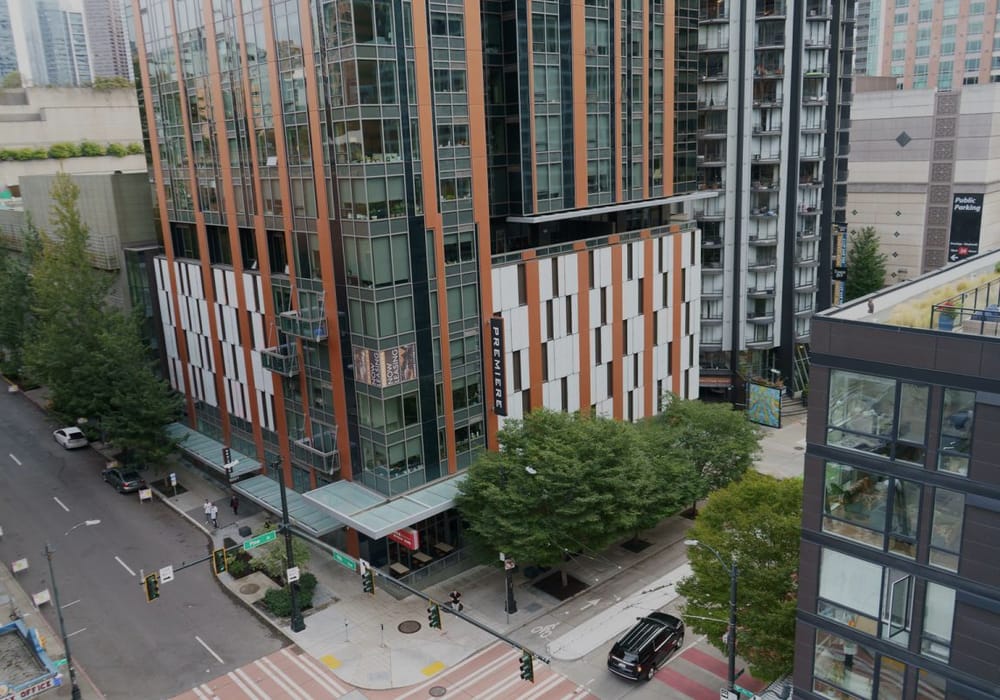

Retail

Tills and the stockroom

Shrinkage happens at the counter and at the back door, not in the aisles. Cameras positioned at the till with a clear view of the transaction, plus the stockroom and rear entrance, cover most of what actually goes missing.

Hospitality

Coverage without watching guests

Entrances, reception, cash points and back-of-house, deliberately excluding areas where guests expect privacy. The system exists for incidents and disputes at the desk, and it should be designed so it cannot be used for anything else.

Education

Campus safeguarding

Entrances, corridors, hostel access points and laboratories, with retention long enough to be useful when an incident surfaces days later. Access to footage needs to be restricted and logged, which is as much a policy decision as a technical one.

Healthcare

Restricted areas and the pharmacy

Pharmacy, stores, entrances and restricted wards, with camera placement chosen so patient areas are not captured unnecessarily. Footage tied to door events makes an incident searchable instead of an evening spent scrubbing video.

Government

Retention that meets the rule

Coverage and retention are usually specified rather than chosen, and the system has to demonstrate compliance rather than merely achieve it. Storage is sized for the mandated period, and recording is verified rather than assumed.

See how we work across all nine industries

Engagement

How a CCTV and surveillance project runs

  1. 01

    Coverage mapping before camera selection

    Choke points identified first — entrances, tills, loading bays, server rooms — then cameras chosen to cover them. This usually reduces the count in the quote you were expecting.

  2. 02

    Bill of materials you can compare

    Camera specifications, storage sizing and cable runs itemised, so a cheaper quote can be judged on what it leaves out.

  3. 03

    Installation and commissioning

    Including verification that every camera is genuinely recording and retaining, which is the check most installations skip.

  4. 04

    AMC with periodic verification

    Cameras fail silently. Scheduled checks are the difference between a system that works and one that only appears to.

What we need from you

  • Site layout, including entry and exit points
  • The incidents or blind spots that prompted the enquiry
  • How long footage needs to be retained — be realistic, not optimistic
  • Network and power availability near the intended camera positions

None of it has to be tidy. Discovering that your data is messier than expected is part of the job, not a reason to delay starting.

Delivery

How the engagement runs

  1. 01

    Discovery

    Understand goals, constraints and success metrics.

  2. 02

    Business Analysis

    Map processes, data and integration surface.

  3. 03

    UI / UX

    Design intuitive, accessible enterprise interfaces.

  4. 04

    Architecture

    Design for scale, security and future backend.

  5. 05

    Development

    Build in modular, reviewed increments.

  6. 06

    Testing

    Automated, security and acceptance testing.

  7. 07

    Deployment

    Ship to cloud, private cloud or on-prem.

  8. 08

    Support

    Long-term partnership, SLAs and iteration.

FAQ

CCTV & Surveillance — frequently asked

Straight answers, including the cases where our answer is that you should not buy this from us.

How many cameras do we need?

Fewer than most quotes suggest, placed better. A well-positioned camera at every genuine choke point is worth more than a scattering of high-resolution cameras covering empty corridors. We map the points that matter before proposing a count.

How long should footage be retained?

Longer than the default, which is where most systems fail. Retention should match how long incidents actually take to come to light — often weeks rather than days — and storage should be sized for that from the start.

Can we view cameras from a phone?

Yes, over a secured connection. Remote visibility is what turns a passive record into something you use, but it has to be set up properly — an exposed recorder on the internet is a liability rather than a feature.

Can you integrate cameras with access control?

Yes, and the combination is where the value is. Footage tied to door events gives you a searchable record of who went where and when, rather than hours of video somebody has to scrub through.

Thinking about CCTV and surveillance?

Describe the problem in your own words. We will tell you what it takes to solve — and whether it is worth solving this way.